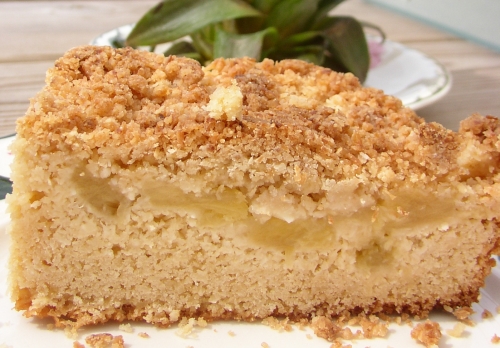
What is Streusel? Unpacking the Buttery, Crumbly German Topping
In the vast and delicious world of baking, few toppings command as much admiration and versatility as streusel. This simple yet utterly transformative mixture, often recognized by its signature crumbly texture, has elevated countless muffins, pies, cakes, and breads from ordinary to extraordinary. But what exactly is streusel, and what makes it such a beloved staple in kitchens worldwide?
At its heart, streusel is a delectable crumbly topping, typically composed of flour, butter, and sugar. Originating from German baking traditions, its name itself offers a clue to its preparation: "streusel" is a German cognate with the English verb "strew," meaning to scatter or sprinkle. This aptly describes how bakers apply the mixture, scattering it over their creations before baking to achieve a golden, crisp finish that adds both textural contrast and a rich, buttery sweetness.
The Anatomy of a Perfect Streusel: Ingredients & Technique
While the concept of streusel is simple, the magic lies in the careful balance of its core ingredients and the technique used to bring them together. Understanding these fundamentals is key to unlocking the full potential of this delightful topping.
Core Ingredients: The Essential Trio
- Flour: All-purpose flour is the standard choice, providing the necessary structure for the crumbs. Some adventurous bakers might experiment with pastry flour for a finer crumb or even a touch of whole wheat flour for a nuttier flavor.
- Butter: This is arguably the most crucial ingredient, imparting the rich, buttery flavor and contributing significantly to the crumbly texture. Traditional streusel recipes emphasize using cold butter, which is then cut or rubbed into the dry ingredients. This method prevents the butter from fully integrating, creating pockets of fat that melt during baking, resulting in those characteristic irregular, crisp crumbs. However, some modern adaptations, particularly in American "crumb topping" recipes, might call for melted butter for ease of mixing, which can lead to a slightly different, more uniform crumb.
- Sugar: Granulated sugar is a common choice for its clean sweetness and ability to caramelize during baking, contributing to the golden-brown color. Brown sugar is a popular addition or substitute, offering a deeper, molasses-rich flavor and a chewier texture. A pinch of salt is almost always included, serving the vital role of balancing the sweetness and enhancing the overall flavor profile.
Beyond the Basics: Flavor Enhancers & Add-ins
The beauty of streusel lies in its adaptability. While the flour, butter, and sugar form the foundation, a vast array of additions can customize its flavor and texture to perfectly complement any baked good:
- Spices: Cinnamon is perhaps the most classic streusel spice, offering a warm, inviting aroma. Nutmeg, cardamom, or even a hint of allspice can also be wonderfully aromatic additions, especially for fruit-based desserts or coffee cakes.
- Nuts: Chopped nuts like almonds, walnuts, pecans, or hazelnuts introduce a delightful crunch and nutty depth. They can be toasted lightly beforehand for intensified flavor.
- Oats: Rolled oats add a rustic chewiness and a wholesome texture, often found in streusel used for apple crisps or fruit crumbles.
- Citrus Zest: A touch of lemon or orange zest can brighten the flavor, particularly effective in streusel destined for muffins or lighter cakes.
Mastering the Technique: Crumb Creation
The process of making streusel is fairly straightforward but requires a gentle hand to achieve the desired crumbly consistency. For traditional streusel, the key is to work the cold butter into the dry ingredients (flour, sugar, salt, spices) until a coarse, crumbly mixture forms. This can be done using your fingertips, a pastry blender, or even a stand mixer with a paddle attachment on low speed. The goal is to avoid overworking the mixture, as this can develop the gluten in the flour and melt the butter, leading to a doughy rather than crumbly texture. You want irregular pieces, ranging from fine sand-like particles to larger, pea-sized chunks.
Once prepared, streusel can be used immediately or stored in the refrigerator for a few days, or even frozen for longer periods, making it a convenient component for spontaneous baking projects. For more in-depth instructions on creating the perfect crumb, explore our guide on How to Make Perfect Streusel: Elevate Your Baked Goods with Crunch.
Streusel's Versatile Applications: A World of Baked Delights
The ubiquity of streusel in baking speaks volumes about its incredible versatility. From breakfast pastries to elaborate desserts, it consistently enhances both flavor and texture.
- Streuselkuchen: This is arguably the most iconic streusel application. Originating in Germany, streuselkuchen (meaning "crumb cake") is a yeasted sheet cake generously topped with a thick layer of streusel, making the topping the star of the show.
- Coffee Cakes & Muffins: Streusel is a quintessential topping for coffee cakes, providing a delightful crunch that contrasts beautifully with the soft, moist cake beneath. Similarly, a sprinkling of streusel transforms everyday muffins into bakery-style treats.
- Pies & Fruit Crisps: While often called "crumble topping" in this context, streusel, especially with oats and nuts, is a fantastic choice for fruit pies, crumbles, and crisps (like the beloved apple crisp). It bakes into a crisp, golden layer that perfectly complements the soft, warm fruit filling.
- Babka: This rich, braided bread, often filled with chocolate or cinnamon, sometimes features a streusel topping for an extra layer of sweetness and crunch.
- Cakes: Beyond coffee cakes, streusel can be incorporated into other cake recipes, either as a topping or even layered within the cake itself, creating intriguing ribbons of texture and flavor.
The adaptability of streusel means it can be tailored to suit almost any base. A spicy streusel for pumpkin muffins, a nutty one for an apple pie, or a simple, buttery version for a classic coffee cake – the possibilities are endless. Discover more innovative ways to use this versatile topping in our article, Beyond Basic Crumbs: The Versatile World of Streusel Toppings.
Streusel vs. Similar Toppings: What Sets It Apart?
While often used interchangeably with terms like "crumb topping" or "crumble," streusel possesses distinct characteristics that set it apart, particularly in its traditional form and origin. In Polish cuisine, for instance, a similar topping is known as kruszonka, deriving from the word "kruszyć," meaning "to crumble."
The key differentiator often lies in the texture and the intention. Traditional streusel, with its emphasis on cold butter rubbed into flour and sugar, tends to produce coarser, more irregular crumbs that vary in size. These distinct pieces provide a pronounced textural contrast against the softer baked good. "Crumble" can sometimes imply a more uniform, finer mixture, often incorporating oats and frequently associated specifically with fruit desserts. However, in modern usage, the terms are often used quite broadly. Streusel, stemming directly from Germanic baking, carries with it a heritage of robust, buttery crumbs that are a defining feature, not just an accompaniment.
Crafting Your Own: Tips for Streusel Success
Creating delicious streusel is well within the reach of any home baker. Here are some actionable tips to ensure your streusel turns out perfectly every time:
- Keep it Cold (Mostly): If you're aiming for classic, irregular crumbs, start with very cold butter. This prevents it from melting into the flour too quickly, ensuring distinct pockets that create flakiness and crunch when baked.
- Don't Overmix: Whether by hand or machine, stop mixing as soon as the crumbs form. Overmixing can lead to a dense, pasty texture rather than light, airy crumbs. A few larger chunks are desirable!
- Balance the Flavors: Don't skip the pinch of salt. It's crucial for cutting through the sweetness and bringing out the rich, buttery notes.
- Customize to Your Dish: Think about the base you're topping. A delicate vanilla cake might benefit from a simple, elegant streusel, while a rustic apple pie can handle heartier additions like oats, brown sugar, and warming spices.
- Spread Evenly: Distribute the streusel uniformly over your baked goods to ensure even baking and a consistent crunch in every bite.
- Monitor Baking: Streusel can brown quickly. Keep an eye on it in the oven, especially if your oven has hot spots, to prevent burning. If it's browning too fast, you can loosely tent it with foil.
- Make Ahead: Streusel is fantastic for meal prep. You can prepare a batch, store it in an airtight container in the refrigerator for up to a week, or freeze it for several months, ready to be sprinkled on your next baking project.
Conclusion
Streusel is more than just a topping; it's a testament to the power of simple ingredients combined with thoughtful technique to create something truly special. From its German roots, literally meaning "something strewn," it has become a global favorite, transforming ordinary baked goods into masterpieces of texture and flavor. Whether you're a seasoned baker or just starting your culinary journey, understanding and mastering streusel is a rewarding endeavor that will undoubtedly elevate your baking repertoire. So next time you're looking to add that extra crunch, that buttery richness, and that irresistible charm, reach for the flour, butter, and sugar, and let the magic of streusel unfold.
