How to Make Perfect Streusel: Elevate Your Baked Goods with Crunch
Streusel is far more than just a simple crumb topping; it's a culinary transformer, capable of elevating ordinary baked goods into extraordinary treats with its irresistible blend of buttery richness and delightful crunch. Hailing from Germany, where the word itself means "something strewn or scattered," streusel has become a beloved staple in kitchens worldwide, gracing everything from humble muffins to elaborate coffee cakes. This guide will walk you through the art and science of creating the perfect streusel, ensuring your pies, pastries, and breads never lack that coveted textural contrast and sweet, golden finish.Understanding Streusel: The Foundation of Flavor and Texture
At its heart, streusel is a magical trinity of flour, butter, and sugar. This seemingly simple combination, when properly mixed and baked, forms a crumbly, coarse topping that adds both flavor and an essential textural dimension. Its origins trace back to Germanic baking traditions, most notably as the defining characteristic of *Streuselkuchen*, a yeasted sheet cake generously adorned with these sugary crumbs. Over time, streusel found its way into various cuisines, adapting to local tastes and ingredients while maintaining its core appeal. While often used interchangeably with "crumb topping," streusel typically implies a coarser, more irregular texture, allowing for distinct crumbs ranging from fine particles to larger, satisfying nuggets. This contrasts with some crumbles, which might be more uniformly textured or oat-heavy, often designed specifically for fruit desserts. The beauty of streusel lies in its versatility and the way it bakes to a golden, crisp exterior that gently yields where it meets the softer interior of your baked good. For a deeper dive into its origins and distinctions, explore What is Streusel? Unpacking the Buttery, Crumbly German Topping.The Core Ingredients for Perfect Streusel
Achieving streusel perfection starts with understanding the role of each ingredient. Quality and temperature are key to success.- Flour: All-purpose flour is the standard choice, providing the structural backbone for your crumbs. For a finer, more tender streusel, you could experiment with pastry flour, or for a slightly nuttier, more rustic flavor, a small amount of whole wheat flour can be incorporated.
- Butter: This is where the magic truly happens. Cold, unsalted butter is traditionally preferred for a classic, distinct crumb texture. The cold butter prevents it from immediately melting into the flour, allowing you to create pockets of fat that steam and expand during baking, contributing to the airy, crumbly texture. Unsalted butter gives you control over the final seasoning.
- Sugar: Granulated sugar is a common choice for its crispness and shine. However, incorporating brown sugar adds a deeper, caramel-like flavor and a slightly chewier, richer crumb. A combination of both often yields the most balanced and interesting results.
- Salt: A pinch of salt is non-negotiable. It doesn't make the streusel salty, but rather acts as a crucial counterpoint, enhancing the sweetness and balancing the overall flavor profile.
Mastering the Method: Crafting Crumbly Perfection
There are a few tried-and-true methods for combining your streusel ingredients, each resulting in slightly different textures. The goal is always to integrate the butter into the dry ingredients without overworking it, which can lead to a pasty, rather than crumbly, streusel.1. The Traditional "Rubbing In" Method (Cold Butter)
This is arguably the most classic technique, yielding beautiful, irregular crumbs with excellent texture.
- Combine flour, sugar, and salt in a large bowl.
- Cut your cold butter into small cubes (about 1/2-inch).
- Add the butter cubes to the dry ingredients.
- Using your fingertips, a pastry blender, or two knives, rapidly rub or cut the butter into the flour mixture. The key is to work quickly to prevent the butter from melting too much from the heat of your hands.
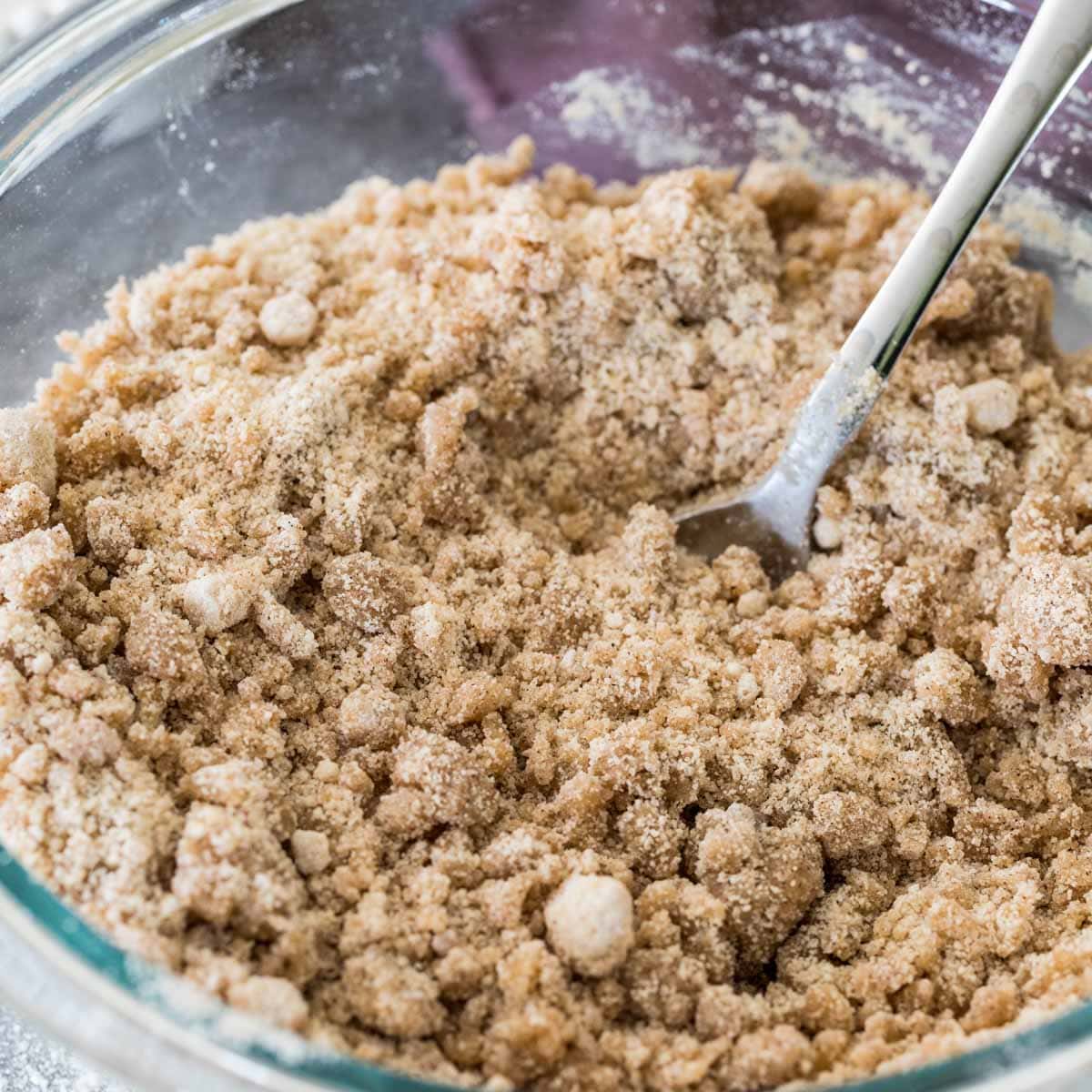
- Continue until the mixture resembles coarse crumbs, with some pieces ranging from pea-sized to small almond-sized. Avoid overmixing; some larger butter pieces are desirable for a varied texture.
2. The Food Processor Method (Cold Butter)
For speed and consistency, a food processor is an excellent tool, but requires careful attention to avoid overmixing.
- Add flour, sugar, and salt to the bowl of a food processor. Pulse a few times to combine.
- Add cold butter cubes.
- Pulse in short bursts (1-2 seconds) until the mixture forms coarse crumbs. Keep a close eye on it; stop as soon as the desired texture is reached. Over-processing will turn the mixture into a paste.
3. The Melted Butter Method
While traditional streusel often uses cold butter, some modern recipes, particularly for "crumb topping" styles, utilize melted butter for a quicker, often finer, and more uniform crumb.
- Combine flour, sugar, and salt in a bowl.
- Pour melted butter over the dry ingredients.
- Stir with a fork until the mixture is evenly moistened and forms cohesive crumbs. This method is simpler but may result in a slightly less distinct, almost sandy texture compared to the cold butter methods.
Pro Tip: Regardless of the method, if your streusel seems too wet, add a tablespoon or two of flour. If it's too dry, drizzle in a tiny bit more melted butter or a neutral oil (a teaspoon at a time).
Elevating Your Streusel: Flavor and Texture Variations
- Spices: Cinnamon is the quintessential streusel spice, offering warmth and aroma. Nutmeg, cardamom, ginger, or even a hint of allspice can also create delightful flavor profiles, especially when paired with specific fruits like apples or plums.
- Nuts: Chopped nuts add both flavor and a satisfying crunch. Almonds, walnuts, pecans, and hazelnuts are popular choices. Lightly toasting them before adding can intensify their flavor significantly.
- Oats: Old-fashioned rolled oats introduce a lovely chewiness and a wholesome, rustic appeal, making streusel even heartier, especially for fruit crisps or muffins.
- Other Additions: Consider citrus zest (lemon or orange) for a bright lift, a tablespoon of cocoa powder for a chocolatey streusel, or even shredded coconut for a tropical twist.
When adding extras, remember to adjust quantities. For example, if adding a lot of nuts, you might slightly reduce the flour to maintain the desired crumb consistency.
Applying and Baking Your Perfect Streusel
Once your streusel is ready, how you apply it matters for optimal results.- Generosity is Key: Don't be shy! A generous layer of streusel ensures maximum crunch and flavor.
- Even Distribution: Sprinkle the streusel evenly over your batter or pie filling to ensure every bite gets a taste of that crumbly goodness. For muffins or cupcakes, you might gently press the crumbs into the tops of the unbaked batter.
- Baking Temperature: Most streusels bake beautifully at typical cake or muffin temperatures (350-375°F / 175-190°C). Keep an eye on it towards the end of baking, as sugar can brown quickly. If your streusel is browning too fast, you can lightly tent it with foil.
- Layered Streusel: For a delightful surprise, consider layering streusel in the middle of a cake or bread, not just on top. This creates an unexpected textural ribbon within the bake.
Common Streusel Troubleshooting
Even seasoned bakers encounter streusel hiccups. Here are quick fixes:
- Too Pasty: If your streusel looks more like dough than crumbs, you've likely overmixed or the butter was too warm. Add a tablespoon or two of extra flour and gently work it in until crumbs form.
- Too Dry/Dusty: If your mixture isn't forming crumbs, it's too dry. Add a tiny bit more very cold butter, cut into small pieces, or a teaspoon of melted butter or neutral oil, and mix again.
- Doesn't Brown: Ensure your oven temperature is accurate. Sometimes adding a touch of brown sugar can also help with deeper caramelization.
- Burns Easily: If your streusel is scorching before the baked good is done, it might be too thin, or your oven is too hot. Tent with foil, or consider making slightly larger crumbs next time.
Storing Streusel
One of the beauties of streusel is that it can often be made ahead! Unbaked streusel can be stored in an airtight container in the refrigerator for up to a week, or frozen for up to a month. If frozen, use it directly from the freezer; there's no need to thaw it before sprinkling onto your unbaked goods.
Conclusion
Mastering the art of perfect streusel is a rewarding endeavor that will undoubtedly elevate your home baking. From choosing the right ingredients to employing the ideal mixing technique and experimenting with creative variations, each step contributes to that ultimate, irresistible crunch and rich flavor. Whether you're topping a classic apple pie, a batch of morning muffins, or a festive coffee cake, a well-made streusel promises to transform your baked goods into truly memorable culinary experiences. So go ahead, scatter some joy – one buttery, crumbly topping at a time!
