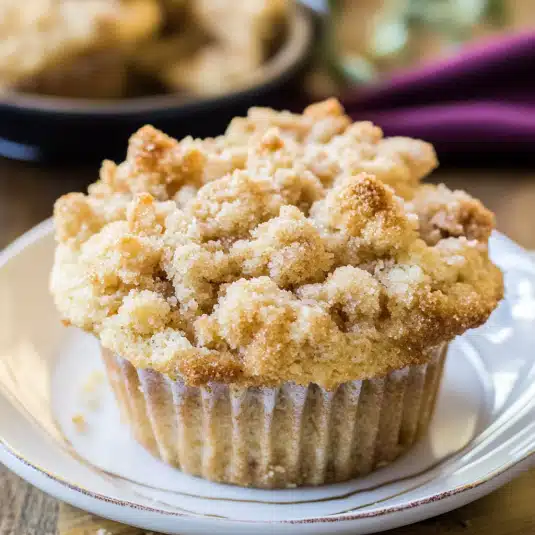
Beyond Basic Crumbs: The Versatile World of Streusel Toppings
There are few culinary delights as universally comforting and captivating as a perfectly executed streusel topping. Far more than just a scattering of crumbs, streusel is a masterful blend of simple ingredients that elevates ordinary baked goods into extraordinary culinary experiences. From the rustic charm of a German streuselkuchen to the sweet crunch atop a beloved American coffee cake, this crumbly crown has secured its place in the pantheon of essential baking techniques. But what exactly is streusel, and what makes it such an indispensable element in the baker's repertoire?
The Enduring Allure of Streusel: A Culinary Classic Defined
At its heart, streusel is a sweet, crumbly topping primarily composed of flour, butter, and sugar. This seemingly straightforward combination, when properly mixed and baked, transforms into golden, crunchy nuggets that provide a delightful textural contrast to the soft interior of cakes, muffins, pies, and breads. The term itself is as evocative as its taste, originating from the German word Streusel, which derives from "ströuwen" or "streuen," meaning "to scatter" or "strew." This etymology perfectly describes its application: a mixture artfully scattered over a dough or filling before baking.
Historically, streusel emerged from Germanic baking traditions, most notably as the defining feature of the iconic streuselkuchen, a yeasted sheet cake generously adorned with these sugary crumbs. Over time, its appeal spread globally, evolving and adapting to various culinary landscapes. In Poland, for instance, it's known as kruszonka, stemming from the word "kruszyć," meaning "to crumble." In the United States, it became synonymous with "crumb topping," a staple for coffee cakes and fruit-based desserts, often adapted with techniques like using melted butter for easier mixing while retaining its core function of adding richness and crunch.
The magic of streusel lies in its ability to enhance both flavor and visual appeal. It bakes to a beautiful golden finish, providing a rustic yet elegant touch that promises a delightful bite. The subtle sweetness, often balanced with a pinch of salt, complements a wide range of flavors, making it incredibly versatile across different desserts.
Crafting the Perfect Streusel: Techniques and Ingredients
While the basic formula for streusel remains constant—flour, butter, sugar—the subtle variations in ingredients and mixing techniques can profoundly impact its final texture and flavor. Understanding these nuances is key to mastering this humble yet powerful topping.
Core Ingredients and Their Roles:
- Flour: Typically all-purpose flour provides the structural base for the crumbs.
- Butter: This is the richness factor. Traditional recipes often emphasize cold butter, cut into small pieces. The cold butter prevents it from fully incorporating into the flour, leading to distinct, irregular crumbs when rubbed in.
- Sugar: Granulated sugar is standard, providing sweetness and contributing to the crisp texture. Brown sugar can be added for a deeper, more molasses-like flavor and a slightly chewier crumb.
- Salt: A small pinch of salt is crucial to balance the sweetness and enhance the overall flavor profile.
Mixing Techniques:
There are generally two main approaches to combining these ingredients:
- Rubbing in Cold Butter: This traditional method involves cutting cold butter into small cubes and then rubbing it into the flour and sugar mixture with your fingertips, a pastry blender, or a food processor until coarse crumbs form. This technique creates a coarser, more distinct crumb that holds its shape well and bakes up extra crisp. It's often preferred for applications where a robust, textural crunch is desired.
- Incorporating Melted Butter: Some modern recipes, particularly for quick applications like coffee cakes, utilize melted butter. While easier to mix, it can result in a finer, more uniform crumb. The key here is to drizzle the melted butter slowly and mix until just combined, avoiding overmixing which can lead to a paste rather than crumbs.
Flavor and Texture Variations:
The beauty of streusel lies in its adaptability. Once you master the basic technique, you can easily customize it to suit any dessert:
- Spices: Cinnamon and nutmeg are classic additions, especially for apple pies, coffee cakes, and pumpkin muffins, adding warmth and aromatic depth. Cardamom or ginger can offer a more unique twist.
- Nuts: Chopped nuts like almonds, walnuts, pecans, or hazelnuts introduce another layer of crunch and rich, nutty flavor. They also add visual appeal.
- Oats: Rolled oats can be incorporated for an extra chewy texture and rustic appearance, often seen in fruit crisps and crumbles.
- Citrus Zest: A touch of lemon or orange zest can brighten the flavor, pairing wonderfully with berry desserts or cheesecakes.
For more detailed instructions and expert advice on achieving that perfect crumbly texture every time, explore resources like How to Make Perfect Streusel: Elevate Your Baked Goods with Crunch.
Beyond the Topping: Versatile Applications of Streusel
While primarily known as a topping, the versatility of streusel extends far beyond just scattering it over baked goods. Its unique texture and flavor profile allow it to play various roles, enhancing a wide array of sweet treats.
Traditional and Beloved Pairings:
- Muffins: A sprinkle of cinnamon streusel elevates a simple muffin into a bakery-style treat, offering a delightful crunch with every bite.
- Pies and Crisps: Fruit pies, apple crisps, and crumbles are natural partners for streusel, where its crispiness beautifully contrasts with the soft, bubbling fruit filling.
- Coffee Cakes: Perhaps the most iconic pairing, coffee cakes often feature a generous layer of streusel, sometimes even ribboned through the middle, providing pockets of buttery sweetness.
- Cakes and Breads: From the traditional German streuselkuchen to rich babkas, streusel adds character and texture to yeasted doughs and batter-based cakes.
Innovative and Creative Uses:
Don't limit your imagination to just the classics. Streusel can be an incredible secret weapon in other culinary ventures:
- Layered in Cakes: Instead of just a topping, consider adding a layer of uncooked streusel in the middle of a cake batter before baking. It creates a surprising textural dimension within the cake itself.
- Ice Cream or Yogurt Topping: Baked and cooled streusel makes an incredible crunchy topping for ice cream sundaes, yogurt parfaits, or even fresh fruit salads.
- Sweet Breads and Rolls: Incorporate some finer streusel crumbs into the dough for sweet rolls or braided breads before their final proof for an extra dimension of flavor and texture.
- Savory Streusel (The Unexpected Twist!): While traditionally sweet, a clever baker might adapt the concept to savory dishes. Imagine a parmesan and herb streusel atop a gratin or a vegetable bake for an unexpected crunch and richness.
Its ability to be prepared in advance and stored further adds to its convenience, making it a go-to for both spontaneous baking and planned culinary projects.
Troubleshooting and Expert Tips for Streusel Success
Even with simple ingredients, achieving the "perfect" streusel can sometimes present challenges. Here are some expert tips and common troubleshooting advice to ensure your crumbly topping is always a triumph.
Common Streusel Woes and Solutions:
- Too Sandy/Dry: If your streusel mixture isn't clumping at all, it likely needs more butter. Add a teaspoon of melted butter at a time, mixing until the desired crumbly texture is achieved.
- Too Pasty/Wet: If it's turning into a dough rather than crumbs, you've either added too much butter or overmixed. Add a tablespoon of flour, mixing gently until it resembles coarse crumbs again. Remember, for traditional cold butter streusel, you want distinct pieces, not a smooth paste.
- Soggy Streusel: This often happens when the base dessert releases too much moisture during baking, or if the streusel is spread too thinly. Ensure your fruit fillings are not excessively wet, and consider baking the streusel slightly longer at a lower temperature to encourage crispness. Also, a slightly thicker layer often prevents sogginess.
- Burning Too Quickly: If your streusel is browning too fast, it might be due to a high sugar content or too high an oven temperature. Reduce the oven temperature slightly, or tent the item loosely with foil once the streusel reaches your desired color.
Tips for Optimal Results:
- Keep Butter Cold (for classic streusel): This is paramount for achieving those distinct, irregular crumbs that are characteristic of traditional streusel.
- Don't Overmix: Whether using cold or melted butter, overmixing can lead to a uniform paste rather than distinct crumbs. Mix just until the ingredients are combined and crumbs form.
- Adjust Crumb Size: For larger, chunkier crumbs, apply less pressure when mixing and don't break them down too much. For finer crumbs, gently rub more or pulse a bit longer in a food processor.
- Even Distribution: Scatter the streusel evenly over your baked goods to ensure uniform browning and texture in every bite.
- Store Properly: Unbaked streusel can be stored in an airtight container in the refrigerator for up to a week, or frozen for several months. This makes it an excellent make-ahead component for future baking endeavors.
Conclusion: The Enduring Magic of Streusel
From its humble origins in German kitchens to its global presence in modern patisserie, streusel has consistently proven its worth as an incredibly versatile and beloved baking component. Its ability to transform simple bakes with unparalleled crunch, richness, and visual appeal is truly remarkable. Whether you're a seasoned baker or just starting out, mastering the art of streusel opens up a world of possibilities for elevating your culinary creations. So, the next time you bake, remember the simple magic of flour, butter, and sugar, and let the versatile world of streusel toppings inspire you to go beyond basic crumbs. To delve deeper into its history and core characteristics, be sure to read What is Streusel? Unpacking the Buttery, Crumbly German Topping.
